

How technology transforms hotels into sustainability leaders without sacrificing profits
A business traveler opens her laptop to book a weekend getaway. Two similar hotels appear in her search results. One highlights its paperless check-in, digital concierge services, and carbon footprint tracking. The other shows standard amenities with no mention of environmental initiatives. She books the eco-conscious option without hesitation.
This scenario plays out millions of times annually, as 84% of global travelers now prioritize sustainable accommodation choices. But here's what many hoteliers miss: the technology that attracts these environmentally minded guests also delivers measurable operational improvements and cost savings.
The most successful hotels are using smart technology to achieve both profitability and sustainability.
This scenario plays out millions of times annually, as 84% of global travelers now prioritize sustainable accommodation choices. But here's what many hoteliers miss: the technology that attracts these environmentally minded guests also delivers measurable operational improvements and cost savings.
The most successful hotels are using smart technology to achieve both profitability and sustainability.
- From papertrails to digital workflows
Walk through most hotel back-of-house areas and you'll still find clipboards, printed task lists, and stacks of guest information forms. Each represents not just paper waste, but operational inefficiency.
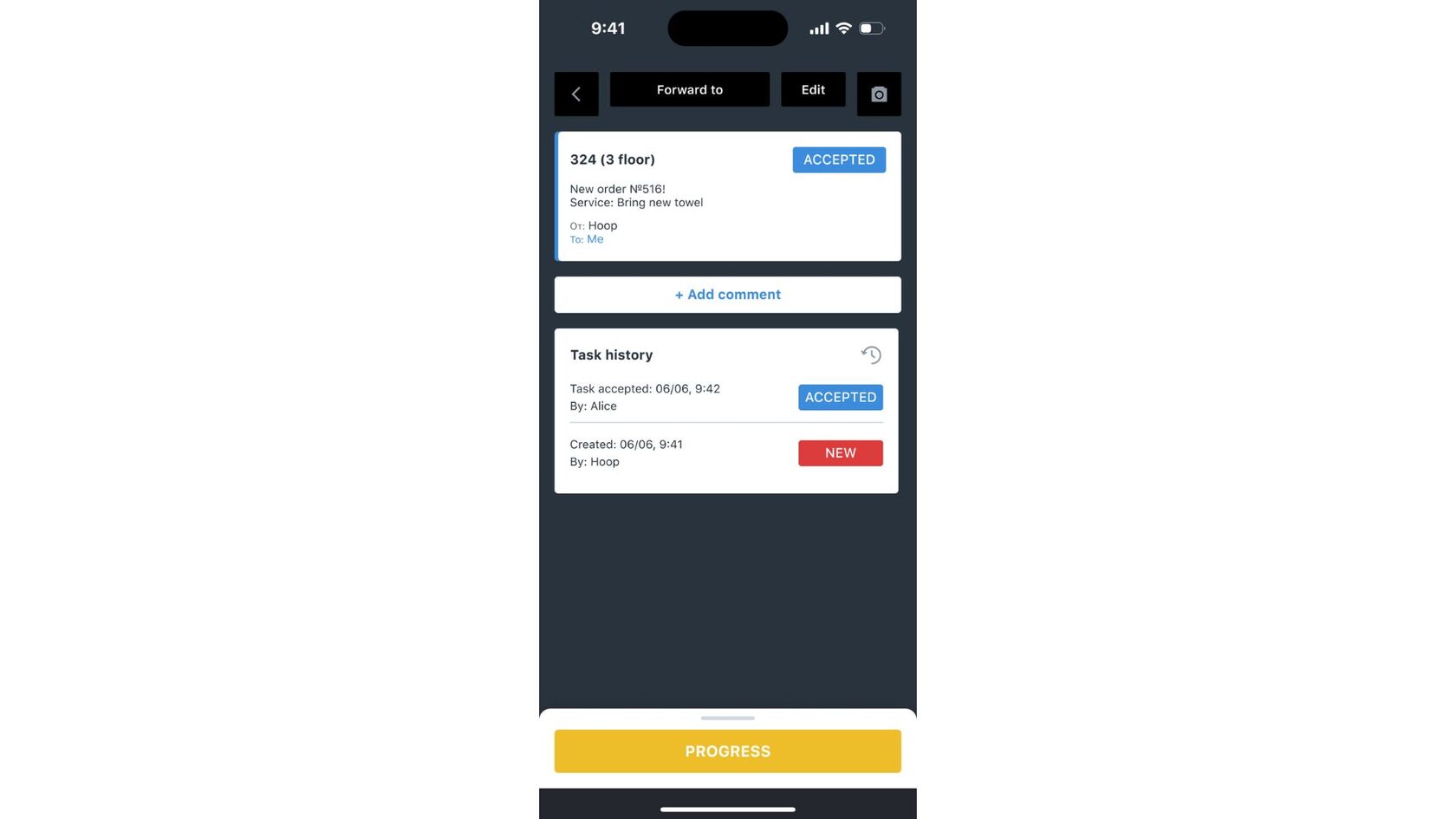
Digital task management systems eliminate this entirely. When housekeeping receives room assignments through mobile devices instead of printed lists, hotels save on paper costs while gaining real-time visibility into progress. Staff can instantly update task status, report issues, and coordinate with other departments, all without generating a single sheet of paper.
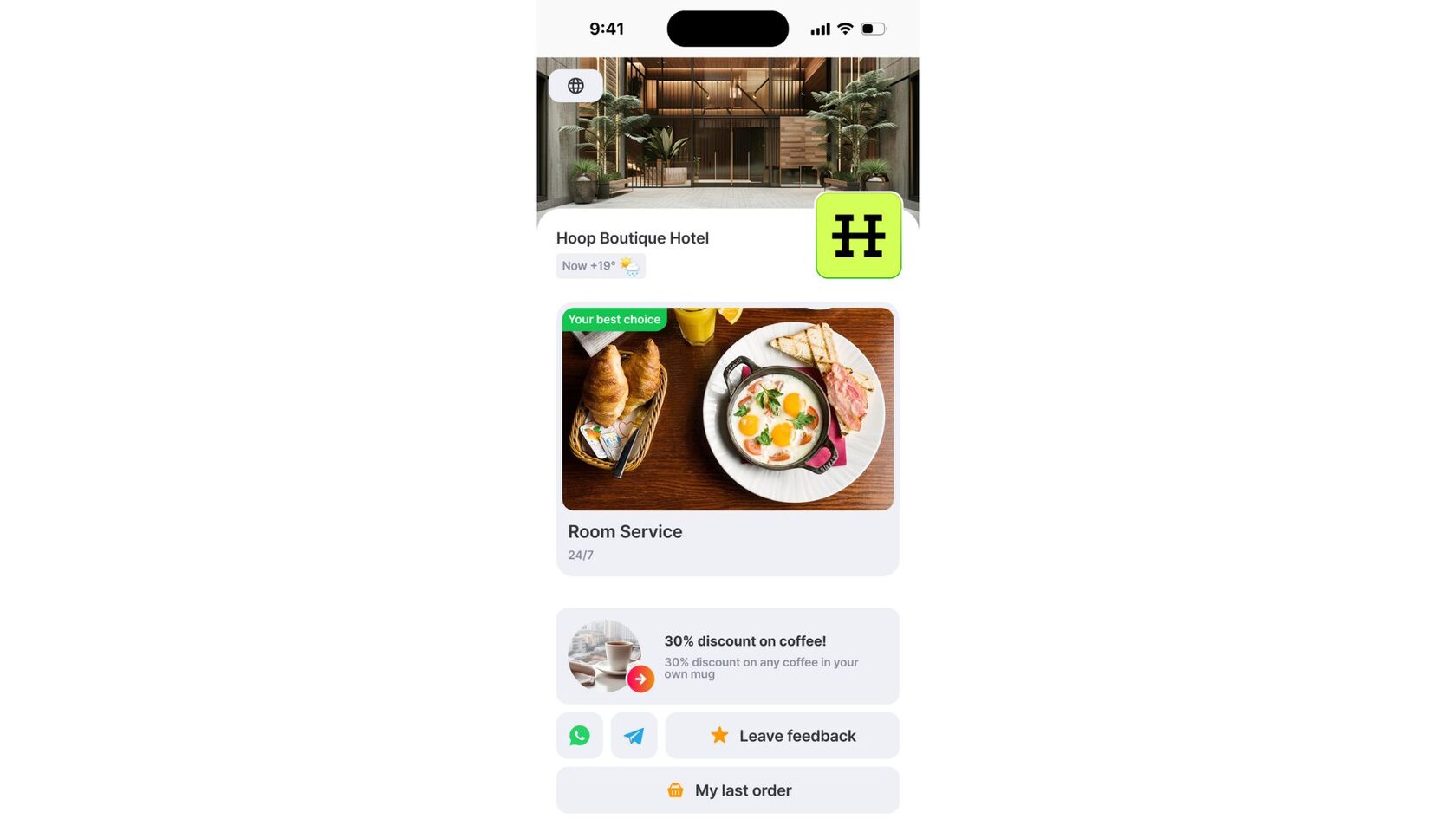
The impact extends to guest-facing services too. Digital menus and service catalogs replace printed materials that quickly become outdated and wasteful. Hotels report saving $15,000-25,000 annually on printing costs alone, while guests enjoy updated offerings and personalized recommendations that increase average order values by up to 30%.
But the real value emerges from operational efficiency. When every task, request, and update flows through connected digital systems, hotels achieve the kind of coordination that was previously impossible with manual processes.
Digital task management systems eliminate this entirely. When housekeeping receives room assignments through mobile devices instead of printed lists, hotels save on paper costs while gaining real-time visibility into progress. Staff can instantly update task status, report issues, and coordinate with other departments, all without generating a single sheet of paper.
The impact extends to guest-facing services too. Digital menus and service catalogs replace printed materials that quickly become outdated and wasteful. Hotels report saving $15,000-25,000 annually on printing costs alone, while guests enjoy updated offerings and personalized recommendations that increase average order values by up to 30%.
But the real value emerges from operational efficiency. When every task, request, and update flows through connected digital systems, hotels achieve the kind of coordination that was previously impossible with manual processes.

2. Smart operations, smaller footprint
Energy efficiency in hotels goes far beyond installing LED bulbs or smart thermostats. The biggest savings come from operational coordination that prevents waste at the source.
Consider a simple scenario: housekeeping finishes cleaning a room but forgets to notify maintenance about a minor repair needed. The room sits empty for hours while various departments operate without full information. HVAC systems continue conditioning an unoccupied space. Front desk staff can't accurately manage check-in timing. Energy gets wasted, and revenue opportunities slip away.
Integrated digital systems solve this through real-time coordination. When housekeeping marks a room complete, maintenance automatically receives any pending work orders. Front desk staff get instant updates on room availability. Energy systems can adjust conditioning based on actual occupancy status rather than assumptions.
Hotels using comprehensive digital coordination report 15-20% reductions in energy waste simply from better information flow between departments. The environmental benefit comes as a natural byproduct of operational excellence.
Consider a simple scenario: housekeeping finishes cleaning a room but forgets to notify maintenance about a minor repair needed. The room sits empty for hours while various departments operate without full information. HVAC systems continue conditioning an unoccupied space. Front desk staff can't accurately manage check-in timing. Energy gets wasted, and revenue opportunities slip away.
Integrated digital systems solve this through real-time coordination. When housekeeping marks a room complete, maintenance automatically receives any pending work orders. Front desk staff get instant updates on room availability. Energy systems can adjust conditioning based on actual occupancy status rather than assumptions.
Hotels using comprehensive digital coordination report 15-20% reductions in energy waste simply from better information flow between departments. The environmental benefit comes as a natural byproduct of operational excellence.
3. Sustainable guest experiences that guests actually want
The most effective sustainability initiatives feel seamless rather than sacrificial. Guests want eco-friendly options, but not at the expense of convenience or comfort.
Digital guest services deliver both. Mobile check-in eliminates paper forms while speeding up arrival. Digital room keys reduce plastic waste while offering guests the convenience of using their own devices. In-app service requests replace phone calls and physical visits, creating efficiency for staff and immediate responsiveness for guests.
Guest profile systems enable personalized sustainability options without forcing one-size-fits-all approaches. A business traveler who consistently chooses eco-friendly amenities can receive automatic room setups that match their preferences. Families might get suggestions for local sustainable activities based on their past booking patterns.
This personalization extends to operational decisions too. Hotels can track which guests appreciate reduced housekeeping frequency, which prefer refillable bathroom amenities, and which actively seek local sustainable dining options. Armed with this data, properties can tailor their offerings while reducing resource consumption.
Digital guest services deliver both. Mobile check-in eliminates paper forms while speeding up arrival. Digital room keys reduce plastic waste while offering guests the convenience of using their own devices. In-app service requests replace phone calls and physical visits, creating efficiency for staff and immediate responsiveness for guests.
Guest profile systems enable personalized sustainability options without forcing one-size-fits-all approaches. A business traveler who consistently chooses eco-friendly amenities can receive automatic room setups that match their preferences. Families might get suggestions for local sustainable activities based on their past booking patterns.
This personalization extends to operational decisions too. Hotels can track which guests appreciate reduced housekeeping frequency, which prefer refillable bathroom amenities, and which actively seek local sustainable dining options. Armed with this data, properties can tailor their offerings while reducing resource consumption.
4. Measuring what matters: ESG reporting made simple
Traditional ESG reporting often relies on estimates and manual data collection — time-intensive processes that produce questionable accuracy. Digital hotel operations generate precise, real-time metrics automatically.
Task management systems track paper usage reduction by counting digital workflows versus historical printing volumes. Energy monitoring integrates with operational data to show exactly how improved coordination affects consumption. Guest satisfaction surveys capture sentiment about sustainability initiatives alongside overall service ratings.
This granular data enables hotels to identify which sustainability measures deliver the strongest guest response and operational benefits. Rather than implementing changes based on industry assumptions, properties can optimize their approach using their own performance metrics.
The reporting benefits extend beyond internal optimization. Investors, regulators, and certification programs increasingly require detailed ESG documentation. Hotels with comprehensive digital systems can generate these reports automatically rather than dedicating staff time to manual data compilation.
Task management systems track paper usage reduction by counting digital workflows versus historical printing volumes. Energy monitoring integrates with operational data to show exactly how improved coordination affects consumption. Guest satisfaction surveys capture sentiment about sustainability initiatives alongside overall service ratings.
This granular data enables hotels to identify which sustainability measures deliver the strongest guest response and operational benefits. Rather than implementing changes based on industry assumptions, properties can optimize their approach using their own performance metrics.
The reporting benefits extend beyond internal optimization. Investors, regulators, and certification programs increasingly require detailed ESG documentation. Hotels with comprehensive digital systems can generate these reports automatically rather than dedicating staff time to manual data compilation.
5. Cloud infrastructure: the invisible efficiency gain
Perhaps the most overlooked sustainability benefit comes from cloud-based hotel management systems. Traditional on-premise solutions require hotels to maintain servers, cooling systems, and backup infrastructure — all consuming energy and requiring regular hardware replacement.
Cloud platforms eliminate this entirely. Hotels access full functionality through standard computers while data centers handle the heavy computational work with dramatically better energy efficiency. Large cloud providers optimize their operations in ways individual hotels never could, sharing resources across thousands of clients and using renewable energy sources.
The operational benefits multiply the environmental impact. Cloud systems enable automatic updates, eliminate hardware maintenance downtime, and provide instant scalability during peak periods. Hotels reduce their technology footprint while gaining capabilities that previously required substantial local infrastructure investment.
Cloud platforms eliminate this entirely. Hotels access full functionality through standard computers while data centers handle the heavy computational work with dramatically better energy efficiency. Large cloud providers optimize their operations in ways individual hotels never could, sharing resources across thousands of clients and using renewable energy sources.
The operational benefits multiply the environmental impact. Cloud systems enable automatic updates, eliminate hardware maintenance downtime, and provide instant scalability during peak periods. Hotels reduce their technology footprint while gaining capabilities that previously required substantial local infrastructure investment.
The business case that writes itself
Hotels implementing comprehensive digital sustainability initiatives typically see ROI within 6-12 months. Paper cost savings alone often justify the technology investment, while energy efficiency improvements and increased guest satisfaction provide ongoing returns.
More importantly, these systems position properties for long-term success as sustainability expectations continue rising. Hotels that master digital efficiency today build competitive advantages that compound over time.
The technology exists today to transform hotel operations in ways that benefit both the bottom line and the environment. Guest preferences are clear. Operational benefits are proven. The technology is ready. So will your hotel lead this transformation, or follow it?
More importantly, these systems position properties for long-term success as sustainability expectations continue rising. Hotels that master digital efficiency today build competitive advantages that compound over time.
The technology exists today to transform hotel operations in ways that benefit both the bottom line and the environment. Guest preferences are clear. Operational benefits are proven. The technology is ready. So will your hotel lead this transformation, or follow it?