
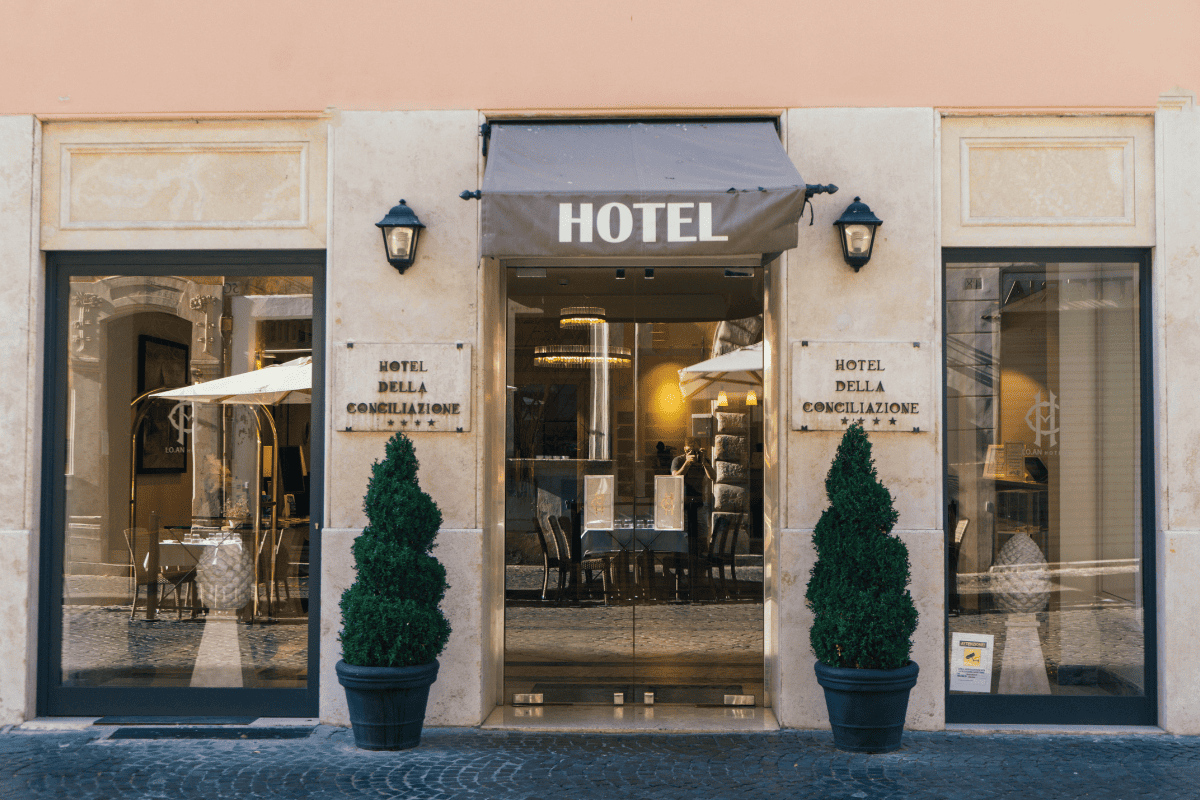
The hotel industry is in the midst of a profound transformation. The growing demand for digital experiences is shaping guest expectations, and hoteliers must adapt. Today, it’s not just about offering a comfortable stay — it’s about providing seamless, personalized experiences through technology. In this article, we’ll dive into six key characteristics that hotels must embrace to thrive in this new era of digitization. These qualities go beyond adopting new tools; they’re about rethinking how we operate and interact with guests.
1. A culture of innovation and openness to change
Success in a digital world starts with the right mindset. Hotels need a culture that embraces change and innovation at every level. Hotel leaders should champion the use of new technologies, while encouraging staff to experiment and share ideas. This culture shift doesn’t happen overnight, but it’s essential for growth. Leaders must model curiosity and openness to digital tools, creating an environment where employees at all levels feel empowered to adopt new technologies.
Tip: Integrate digital tools gradually, allowing your team to adapt. Start with small pilots or trials to get staff comfortable with new systems before scaling them up.
Example: A mobile housekeeping module encourages operational innovation by enabling seamless communication between departments. The task manager with reminders and alerts allows teams to stay organized and responsive, fostering a culture of agility and adaptability. By embracing such tools, hotel staff can focus on creating better guest experiences while evolving their processes to be more efficient.
Tip: Integrate digital tools gradually, allowing your team to adapt. Start with small pilots or trials to get staff comfortable with new systems before scaling them up.
Example: A mobile housekeeping module encourages operational innovation by enabling seamless communication between departments. The task manager with reminders and alerts allows teams to stay organized and responsive, fostering a culture of agility and adaptability. By embracing such tools, hotel staff can focus on creating better guest experiences while evolving their processes to be more efficient.
2. Seamless guest experience at every touchpoint
Providing a seamless guest experience is now a top priority for successful hotels. From the moment a guest books a room to when they check out, every interaction should feel intuitive, easy, and effortless. This seamlessness is facilitated by technology, but it’s not just about implementing tools — it’s about thinking holistically about the guest journey. The goal is to remove friction, anticipate needs, and create a seamless flow from one step to the next.
Tip 1: Think about where friction exists in the guest experience. Can check-ins be streamlined? Is room access more complicated than it needs to be?
Example: A guest request tracker and real-time reporting can be used to manage and respond to guest requests efficiently, ensuring that staff can anticipate and fulfil guest needs in real-time. When the process is seamless, guests experience less friction, which improves their overall satisfaction. Whether it’s room service requests or housekeeping needs, technology that connects all touchpoints enhances the entire guest experience.
Tip 2: Digital solutions should enhance, not replace, human interaction. Personalization through apps or messaging systems can help anticipate needs before they arise.
Tip 1: Think about where friction exists in the guest experience. Can check-ins be streamlined? Is room access more complicated than it needs to be?
Example: A guest request tracker and real-time reporting can be used to manage and respond to guest requests efficiently, ensuring that staff can anticipate and fulfil guest needs in real-time. When the process is seamless, guests experience less friction, which improves their overall satisfaction. Whether it’s room service requests or housekeeping needs, technology that connects all touchpoints enhances the entire guest experience.
Tip 2: Digital solutions should enhance, not replace, human interaction. Personalization through apps or messaging systems can help anticipate needs before they arise.
3. Data-driven decision making
In a digitized world, data is a hotel’s best ally. The ability to analyse customer behaviour, operational performance, and market trends gives hoteliers an edge in making informed decisions. Data-driven decisions help with everything from optimizing pricing strategies to predicting demand spikes. It can also enhance the guest experience by offering personalized services and anticipating needs. Hotels need to look at both macro trends and micro data, such as customer preferences and feedback, to drive operational improvements.
Tip 1: Don’t wait for perfect data. Start with what you have and build from there. Use guest feedback, occupancy rates, and review data to inform immediate changes.
Example: Hoop’s detailed service reporting and analysis tools allow hotel staff to track task completion, manage inventory, and monitor guest satisfaction metrics in real-time. By leveraging this data, hotels can make informed decisions about staffing, maintenance, and service improvements. For example, data about housekeeping task completion times can help adjust staffing levels or optimize scheduling, leading to better operational efficiency.
Tip 2: Implement tools that give you real-time data on guest satisfaction or service usage. Understanding how guests interact with your services allows you to make adjustments on the fly and improve operational efficiency.
Tip 1: Don’t wait for perfect data. Start with what you have and build from there. Use guest feedback, occupancy rates, and review data to inform immediate changes.
Example: Hoop’s detailed service reporting and analysis tools allow hotel staff to track task completion, manage inventory, and monitor guest satisfaction metrics in real-time. By leveraging this data, hotels can make informed decisions about staffing, maintenance, and service improvements. For example, data about housekeeping task completion times can help adjust staffing levels or optimize scheduling, leading to better operational efficiency.
Tip 2: Implement tools that give you real-time data on guest satisfaction or service usage. Understanding how guests interact with your services allows you to make adjustments on the fly and improve operational efficiency.
4. Integration of digital tools for operational efficiency
Integrating multiple technologies across your hotel’s operations can drastically improve efficiency. Hoteliers need systems that work together, from the property management system (PMS) to guest messaging apps, cleaning schedules, and point-of-sale (POS) systems. With integration, data flows seamlessly between departments, reducing duplication of efforts and improving response times. It also enables better tracking of guest preferences and feedback, leading to personalized service.
Tip 1: Invest in an integrated system where departments can collaborate more effectively, and guest data is shared across teams.
Example: Real-time task management and communication tools allow hotel departments, like housekeeping, front desk, and maintenance, to collaborate seamlessly. The mobile checklists, templates for tasks, and centralized communication reduce the chances of miscommunication or delays. With these tools, your teams can quickly adjust to changes and prioritize tasks in response to guest needs or operational shifts. Integration means less redundancy and more operational clarity.
Tip 2: Evaluate existing systems to see where integration gaps exist. For example, if your PMS doesn’t communicate well with your housekeeping system, staff may not know the status of a room in real time. Addressing these gaps can improve operations significantly.
Tip 1: Invest in an integrated system where departments can collaborate more effectively, and guest data is shared across teams.
Example: Real-time task management and communication tools allow hotel departments, like housekeeping, front desk, and maintenance, to collaborate seamlessly. The mobile checklists, templates for tasks, and centralized communication reduce the chances of miscommunication or delays. With these tools, your teams can quickly adjust to changes and prioritize tasks in response to guest needs or operational shifts. Integration means less redundancy and more operational clarity.
Tip 2: Evaluate existing systems to see where integration gaps exist. For example, if your PMS doesn’t communicate well with your housekeeping system, staff may not know the status of a room in real time. Addressing these gaps can improve operations significantly.
5. Operational agility to adapt quickly
The ability to adapt quickly to changing circumstances is more important than ever. In a world where guest preferences, economic conditions, and even global events can shift overnight, flexibility is key. Hotels must be able to adjust their services, staffing levels, and room availability quickly to meet changing demand. Agility is also about making real-time decisions based on current data — whether it's adjusting a room rate for a sudden influx of bookings or shifting staff schedules to meet the demand.
Tip 1: Build flexibility into your operational processes. Use tools that allow your team to respond quickly to changes, whether it’s through dynamic pricing or adjusting the services you offer.
Example: A task manager with reminders and alerts allows hotel staff to respond quickly to guest requests or operational changes. Whether it’s an urgent request for additional towels or a sudden maintenance issue, the system allows for quick adjustments, ensuring guests receive prompt attention and service. The ability to make quick decisions based on real-time updates makes a hotel more agile and responsive.
Tip 2: Foster a proactive approach to change by ensuring your team is well-versed in handling unexpected shifts. Agility isn’t just about responding in the moment; it’s also about preparing for potential disruptions before they occur.
Tip 1: Build flexibility into your operational processes. Use tools that allow your team to respond quickly to changes, whether it’s through dynamic pricing or adjusting the services you offer.
Example: A task manager with reminders and alerts allows hotel staff to respond quickly to guest requests or operational changes. Whether it’s an urgent request for additional towels or a sudden maintenance issue, the system allows for quick adjustments, ensuring guests receive prompt attention and service. The ability to make quick decisions based on real-time updates makes a hotel more agile and responsive.
Tip 2: Foster a proactive approach to change by ensuring your team is well-versed in handling unexpected shifts. Agility isn’t just about responding in the moment; it’s also about preparing for potential disruptions before they occur.
6. Commitment to sustainability and social responsibility
Sustainability is no longer optional — it’s a core part of the hospitality experience. Guests, especially Millennials and Gen Z, increasingly expect hotels to prioritize sustainability. From reducing energy consumption to eliminating single-use plastics, sustainability initiatives are a way for hotels to differentiate themselves. Additionally, socially responsible practices, such as supporting local communities or providing fair wages, are becoming more important to travellers. Hotels should not only talk about sustainability but integrate it into their core operations.
Tip 1: Start with small steps like reducing energy consumption, eliminating plastic straws, or implementing water-saving measures. Gradually scale up your sustainability practices to make a bigger impact.
Example: Hoop helps streamline operational practices with tools that optimize time management, reduce waste, and improve resource allocation. By improving efficiency and minimizing errors, Hoop contributes indirectly to sustainability goals — whether it's through reducing the need for excessive paper use with mobile checklists or improving maintenance workflows, ensuring the sustainability of the property is reinforced.
Tip 2: Make sustainability a part of your brand’s story. Guests want to stay at places that align with their values, so showcasing your green initiatives can be a powerful marketing tool.
Tip 1: Start with small steps like reducing energy consumption, eliminating plastic straws, or implementing water-saving measures. Gradually scale up your sustainability practices to make a bigger impact.
Example: Hoop helps streamline operational practices with tools that optimize time management, reduce waste, and improve resource allocation. By improving efficiency and minimizing errors, Hoop contributes indirectly to sustainability goals — whether it's through reducing the need for excessive paper use with mobile checklists or improving maintenance workflows, ensuring the sustainability of the property is reinforced.
Tip 2: Make sustainability a part of your brand’s story. Guests want to stay at places that align with their values, so showcasing your green initiatives can be a powerful marketing tool.
Conclusion
In today’s rapidly changing world, hotels that want to succeed must embrace digital transformation at every level. From cultivating a culture of innovation to creating seamless guest experiences and making data-driven decisions, these six characteristics are essential for staying competitive. At the heart of it all is the ability to adapt quickly, integrate new technologies, and prioritize sustainability. The future of hospitality is digital, and those who embrace it will not only survive but thrive in this new era.